

Why Starship is Hard
The thirteenth test flight is complete - but why has Starship taken so much time to develop?

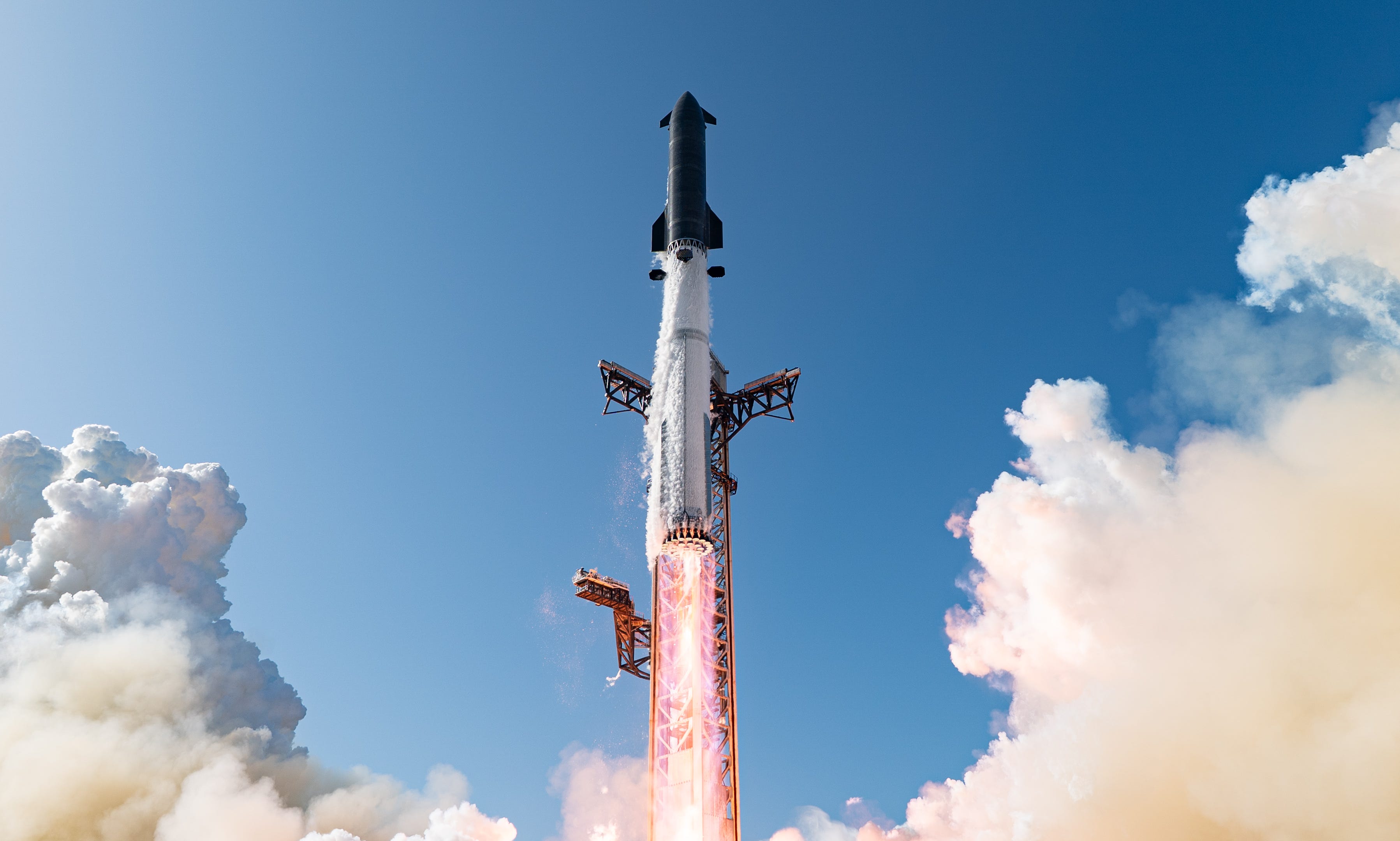
The thirteenth flight of Starship was, as with previous flights, a partial success that helped SpaceX towards their testing objectives. A previous attempt on the 16th of July was aborted at ignition due to issues with the Raptor engines, but this time the countdown and launch proceeded smoothly.
Ascent was flawless - 33 booster engines and 6 ship engines all the way up to the suborbital trajectory - and at staging the booster completed its flip and burn manoeuvre well with all 33 engines successfully relighting, although SpaceX reported that it ended early. It is not clear yet why this happened, but it caused the booster to fall short of the landing area and may have been connected to late failures.
The splashdown in the Gulf of Mexico became a crash landing when the booster failed to relight enough engines for the landing burn and impacted the ocean hard. At one point 9 of 13 were shown to be firing on the on screen telemetry, but some shut off. I’ve used the public telemetry to roughly estimate the speed on impact:
Keep reading with a 7-day free trial
Subscribe to Planetocracy to keep reading this post and get 7 days of free access to the full post archives.